Now In Real Estate
Room-By-Room Guide To Preparing Your Glenview Home
May 28, 2026
Now In Real Estate
May 28, 2026
If you are getting ready to sell in Glenview, presentation can shape how quickly buyers connect with your home. In a market where homes were selling in a median of 28 days and around asking price on average in March 2026, the details you control can make your listing feel more polished from the start. This room-by-room guide will help you focus your time where it counts most, avoid common prep mistakes, and create a home that feels clean, cared for, and easy to picture living in. Let’s dive in.
Glenview has a strong owner-occupied housing base, and that matters when you prepare to sell. Many buyers shopping here are comparing well-kept suburban homes and noticing condition, layout, and day-to-day livability right away. When your home feels move-in ready, it is easier for buyers to imagine themselves there.
That is also where staging and thoughtful preparation come in. According to the National Association of Realtors 2025 Profile of Home Staging, 83% of buyers’ agents said staging made it easier for a buyer to visualize a property as a future home. The same report found that 49% of sellers’ agents said staging reduced time on market, and 29% said it led to a 1% to 10% increase in the dollar value offered.
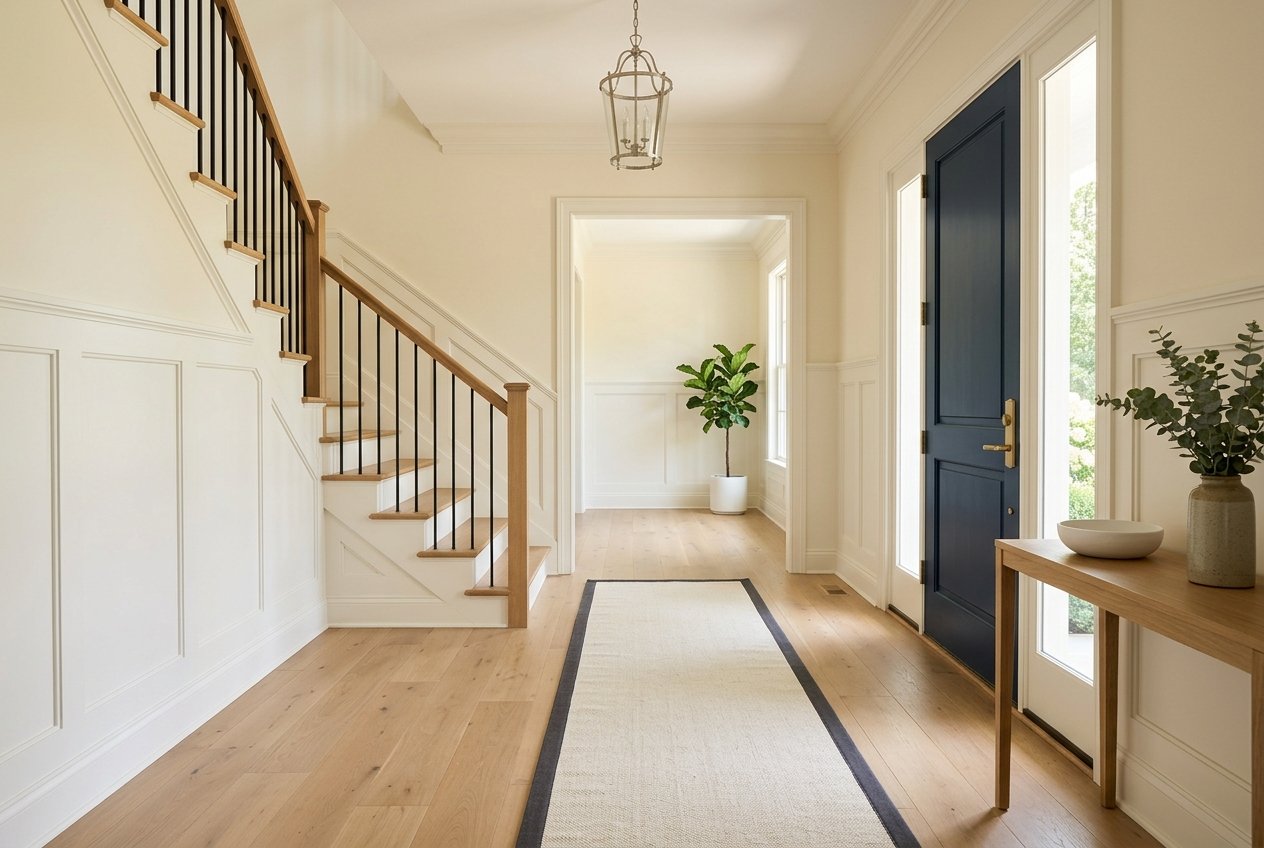
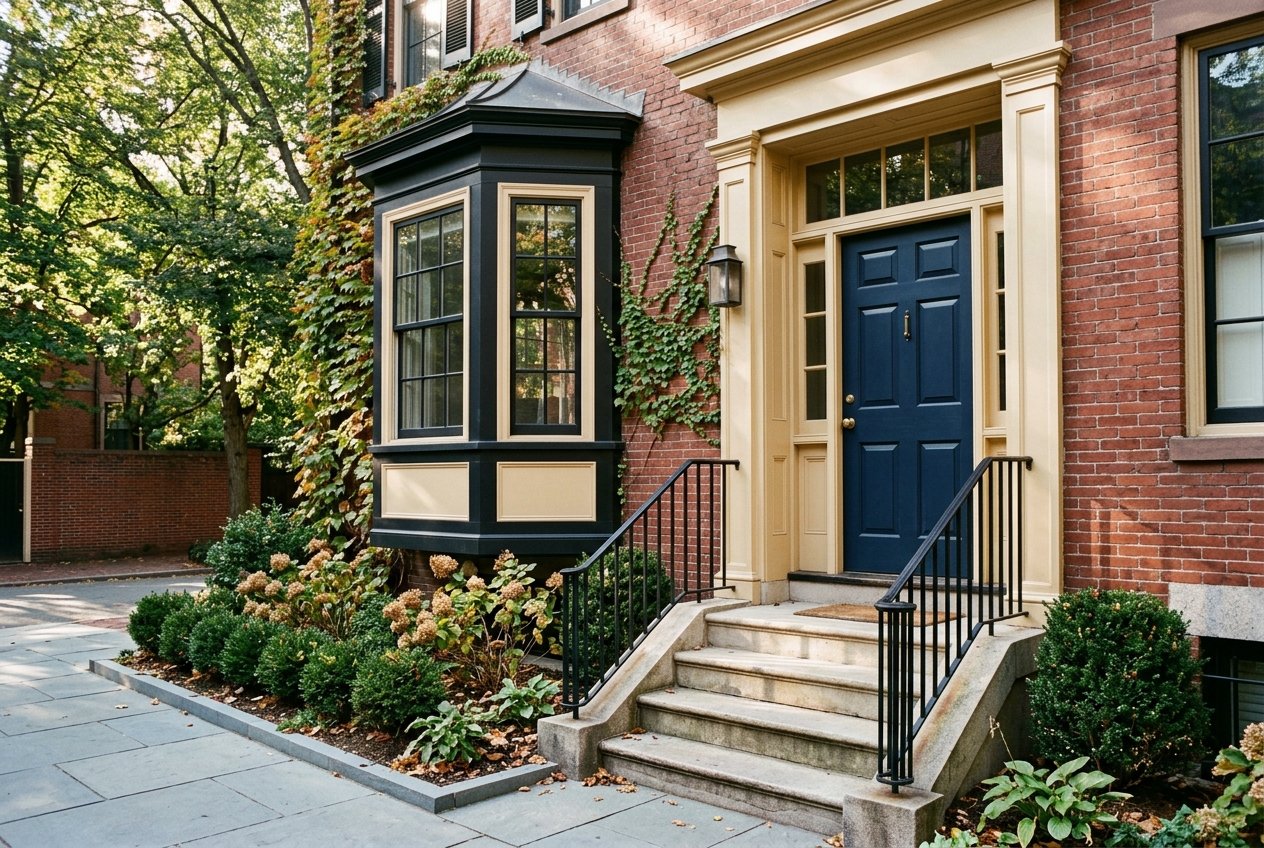
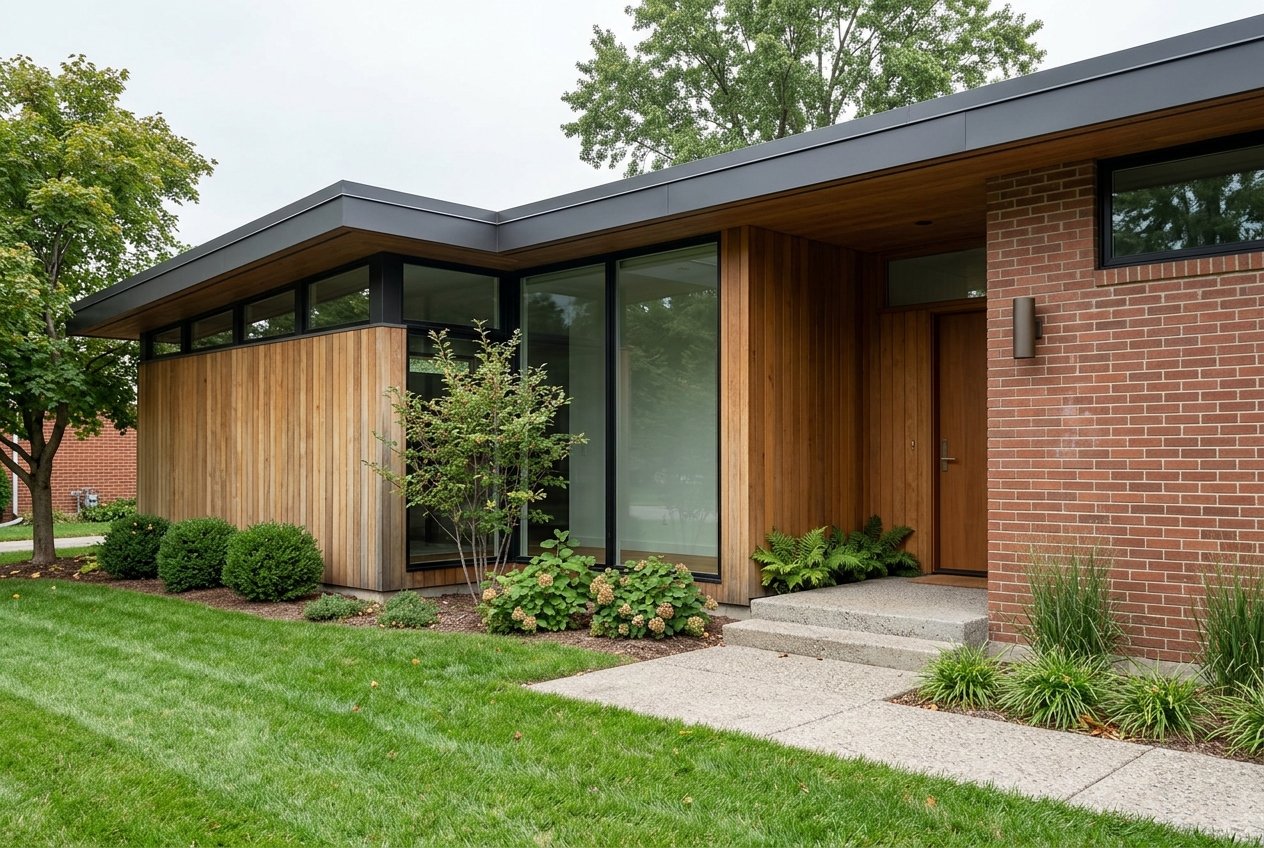
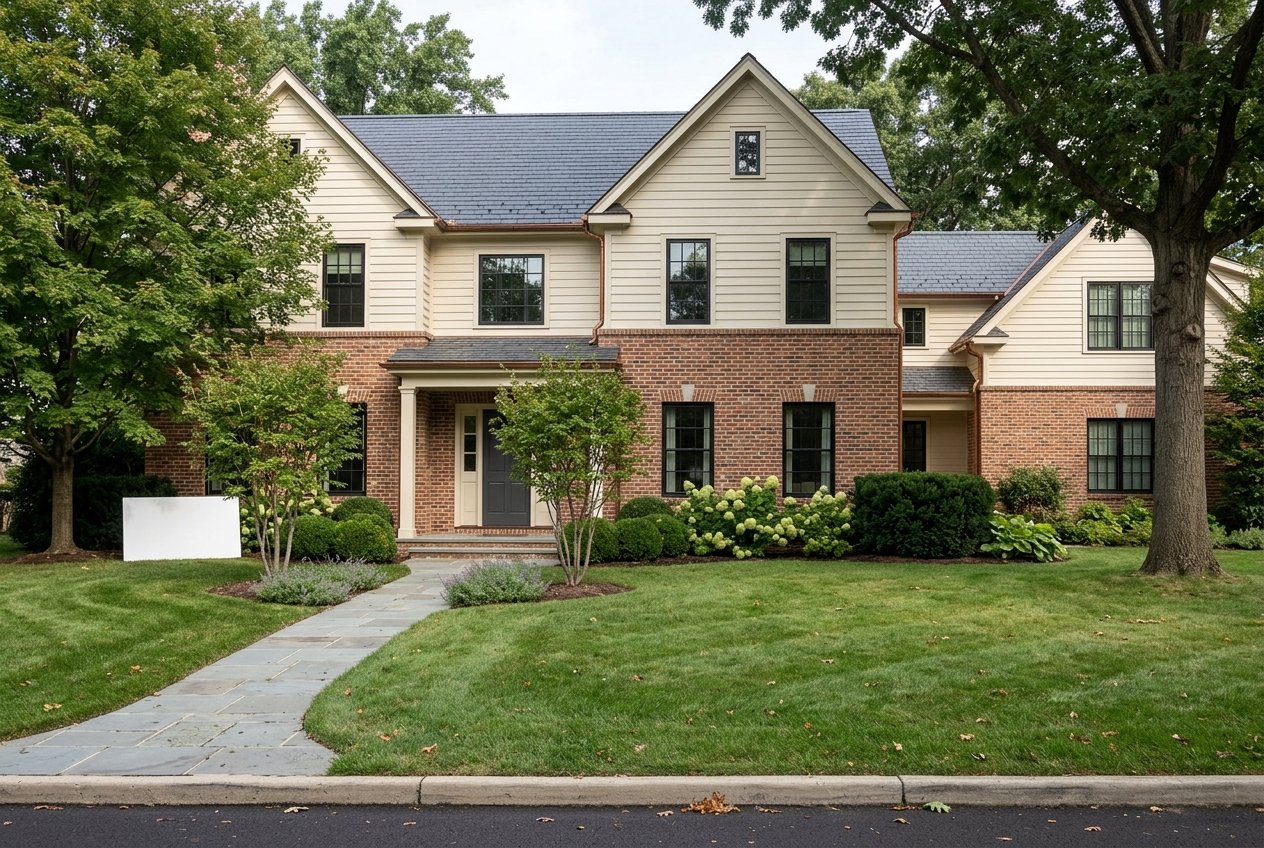
Before a buyer walks through the door, they are already taking in the path, porch, and front entry. NAR found that improving curb appeal was one of the most common recommendations agents made to sellers, along with decluttering and cleaning the entire home. That makes the exterior one of the smartest places to start.
Focus on the basics first. Sweep the front walk, straighten the entry mat, wipe down the front door, and tidy the mailbox area. Trim planting beds, remove dead planters, and make sure the porch feels open rather than crowded.
Glenview’s seasonal weather makes this extra important. With winter snow, salt residue, and muddy traffic common in the Chicago area, buyers can quickly notice stained walkways, worn mats, or tired landscaping. A clean, weather-ready entry often has more impact than elaborate outdoor decor.
If you are considering quick cosmetic improvements before listing, Glenview’s permit rules can help you prioritize. The Village states that interior and exterior painting for single-family homes generally do not require a permit. Flooring, carpeting, interior trim work, and cabinet replacement also do not require permits when you are not changing the layout or utilities.
Larger exterior projects are a different story. Decks, fences, patios, sidewalks, siding, driveways, detached garages, generators, solar panels, and some tree removal may require permits. If you are close to listing, that often makes cosmetic updates the more practical path.
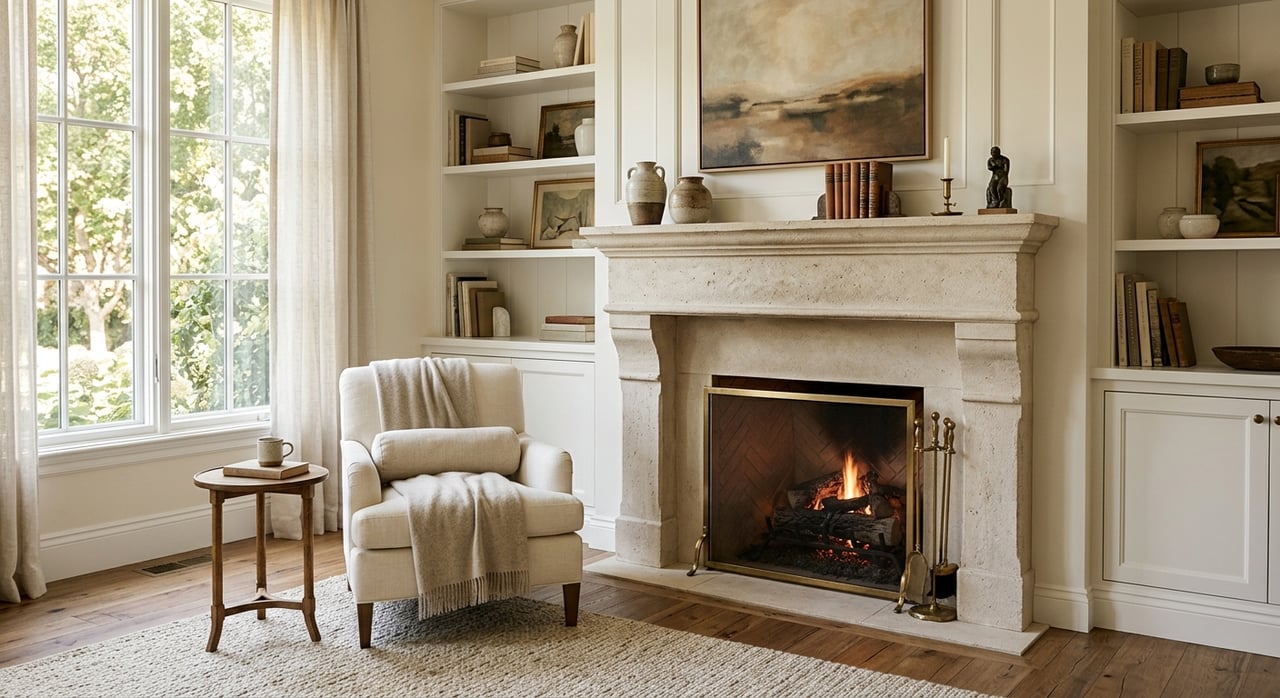
If you only have time to fully prepare a few spaces, start with the living room. NAR found that buyers’ agents ranked the living room as the most important room to stage. Sellers’ agents also reported that it was the room staged most often.
Your goal here is clarity, not perfection. Remove extra furniture, clear visual clutter, and create easy walking paths through the room. Keep surfaces simple, limit personal collections, and make sure natural light can come through.
Because photos play such a big role in how buyers first experience a listing, the living room should be camera-ready. Hide cords, reduce pet items, and edit down accessories so the room reads clearly in listing photos and tours.
The dining room often supports the living room in both photos and showings. NAR data shows it is one of the more commonly staged rooms, which makes sense because it helps reinforce the flow of your main living spaces. Buyers are often looking for how rooms connect, not just how each one looks on its own.
Keep the table centered and scaled to the room. Remove extra chairs if the space feels tight, and use a simple centerpiece rather than a crowded display. If the room doubles as an office or homework zone, return it to its intended use before photos and showings.
The primary bedroom is another high-priority space. Buyers’ agents ranked it just behind the living room in importance, and sellers’ agents stage it frequently for good reason. This room should feel restful, open, and easy to understand.
Use neutral bedding, clear nightstands, and minimal decor. If the room is oversized, create balance with a simple seating area or bench, but do not overfill it. If it is smaller, remove any furniture that is not essential so the room feels as spacious as possible.
Not every room needs the same level of attention. NAR found that guest bedrooms and children’s bedrooms were among the least commonly staged rooms. That does not mean they should be ignored, but it does mean you can approach them more simply.
Clean thoroughly, clear floor space, and keep storage areas tidy. Aim for each bedroom to read as flexible and functional. A neat room with open surfaces and organized closets usually does more than themed decor or too much furniture.
The kitchen is one of the top rooms buyers care about, but that does not mean you need a major remodel before listing. NAR’s staging research supports a more practical approach built around paint touch-ups, minor repairs, grouting, cleaning, and presentation. In many cases, small fixes deliver more value than a rushed renovation.
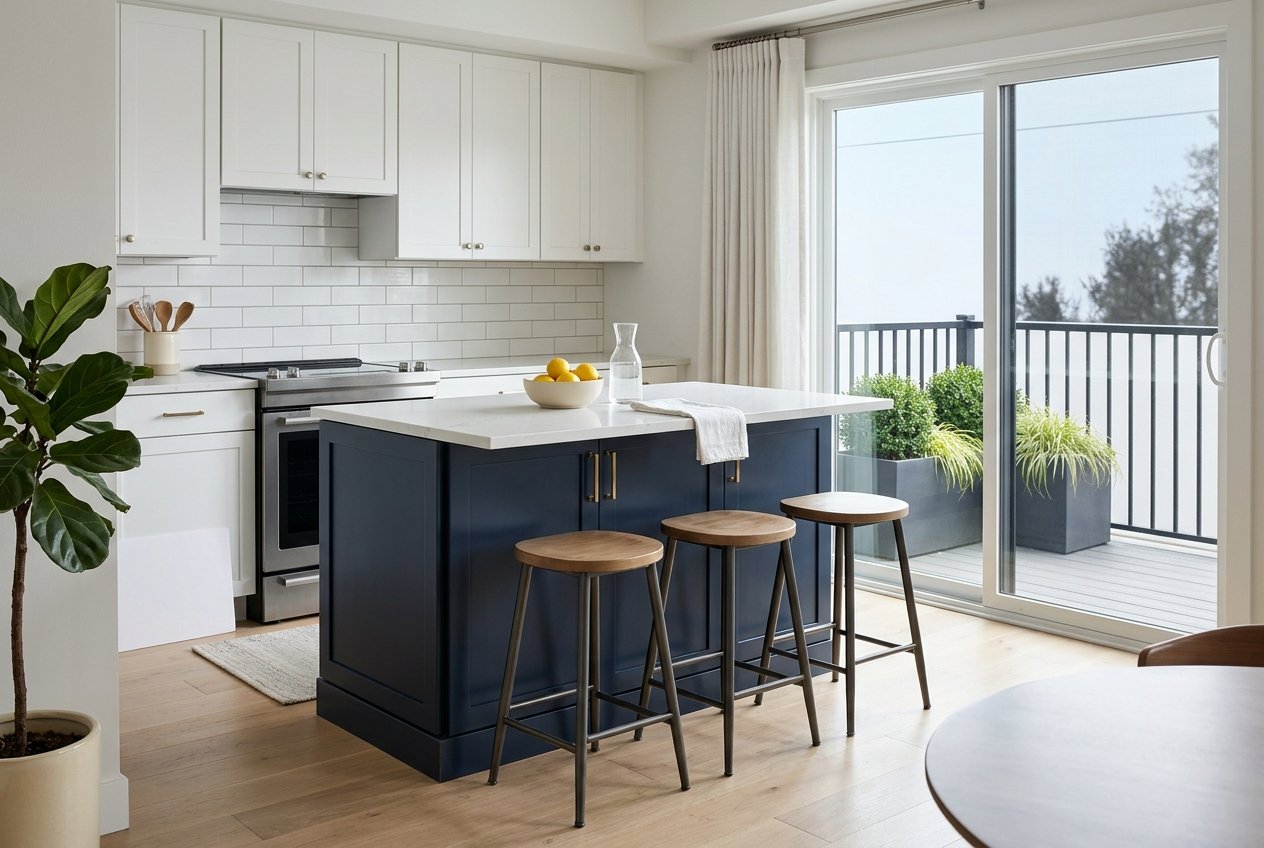
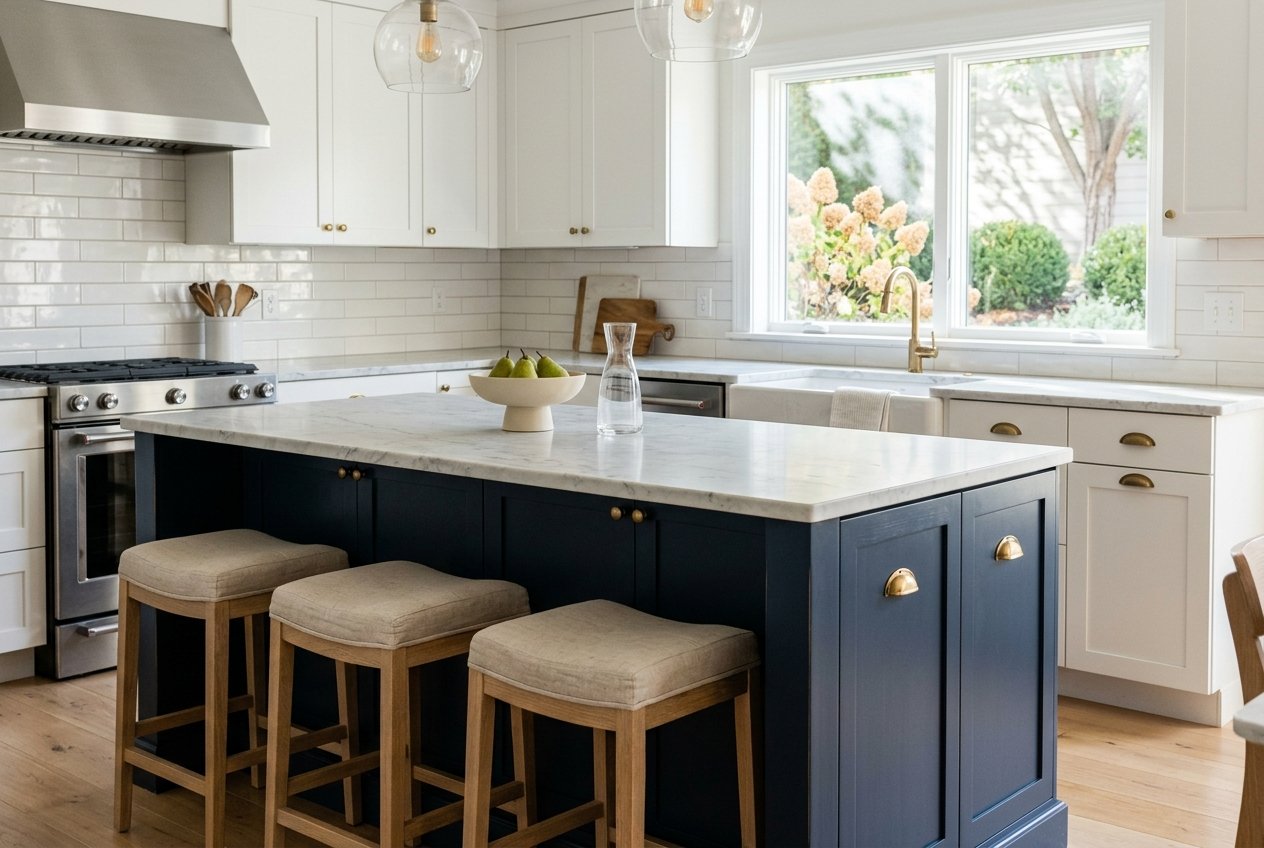
Start by clearing countertops as much as possible. Store away small appliances, remove magnets and papers, and leave only a few intentional items out. Buyers want to see workspace, storage, and cleanliness.
Then look closely at the details. Touch up scuffed paint, clean cabinet fronts, polish hardware, and re-caulk or re-grout where needed. If cabinet replacement is on your list, Glenview allows that without a permit as long as you are not changing layout or utilities, which can make it a manageable pre-listing update.
A clean kitchen photographs well when lines are simple and surfaces are open. Straighten stools, remove mismatched rugs, and make sure lighting works evenly. A bowl of fruit or a small plant can add warmth, but less is usually more.
This is also a good place to think like a buyer. Open the pantry, check inside visible cabinets, and organize anything that may be seen during showings. A polished kitchen signals that the rest of the home has been cared for too.
Bathrooms may be smaller spaces, but buyers notice them quickly. Moisture, old caulk, stained grout, and poor ventilation are easy to spot, and they can make a home feel less maintained. That is why bathrooms deserve extra attention before you list.
Scrub tile, brighten grout, replace worn shower curtains or bath mats, and clear counters completely. Keep only a few fresh, simple items visible, such as folded white towels or hand soap. Make sure mirrors, chrome, and glass all look clean and streak-free.
The EPA recommends moisture control as the key to mold control, along with drying wet or damp materials within 24 to 48 hours and maintaining indoor humidity around 30% to 60%. In practical terms, that means you should check bath fans, under-sink plumbing, caulk lines, and any signs of dampness before your home hits the market.
If your basement or laundry area tends to feel humid, address that early. Use ventilation, air conditioning, exhaust fans, or a dehumidifier as needed. Buyers may not expect a basement to feel decorated, but they do expect it to feel dry, clean, and well maintained.
Utility areas can influence how well cared for the whole home feels. Even if these spaces are not central to staging, they should still look orderly and clean. A buyer who sees clutter, dampness, or deferred maintenance here may start to wonder what else has been overlooked.
Keep shelves neat, store cleaning products out of sight when possible, and clear the floor. In the basement, remove anything that makes the space feel crowded or unfinished in a distracting way. If you use the area for storage, aim for organized zones rather than loose piles.
Outdoor spaces usually matter less than the living room, bedroom, or kitchen, but they still help support the overall impression of the home. NAR includes landscaping the outdoor area among common seller improvements. In Glenview, a clean and usable yard often matters more than heavy styling.
Sweep patios, clean outdoor cushions, and remove broken or off-season items. If you have outdoor furniture, keep the grouping simple and inviting. Buyers should be able to understand how the space functions at a glance.
If your budget or timeline is tight, there is a clear order that makes sense. Based on NAR’s 2025 report, the most defensible sequence is:
This order works because it addresses the biggest visual and practical issues first. It also helps you avoid spending money on styling a space that still needs basic repair or cleanup.
Staging costs can vary by scope. NAR reported a median cost of $1,500 for a staging service, compared with $500 when the seller’s agent handled staging. That makes it helpful to decide early whether you want full-service staging or a more selective, room-by-room plan.
Thoughtful preparation is one of the most effective ways to make your Glenview home stand out. When you focus on cleanliness, simplicity, and the rooms buyers care about most, you create a stronger first impression online and in person. If you want a calm, strategic plan for getting your home market-ready, Diana Marcus can help you prioritize the right updates and present your home with care.
July 23, 2026
July 16, 2026
July 9, 2026
July 2, 2026
June 25, 2026
June 18, 2026
June 11, 2026
June 4, 2026
May 28, 2026
We combine luxury marketing with hands-on service. Our clients benefit from proactive communication and refined strategy. Let’s elevate your real estate experience.

Marcus Pesche Residential
1741 2nd St Highland Park, IL 60035